Explore high-precision connection components, damping systems, and structural hardware engineered for professional OEM/ODM furniture applications.
Understanding regional core strengths, mechanical stress distribution, and global supply chain integrations.
The contemporary furniture fastener market has shifted dramatically from traditional joinery (such as dowels, tenons, and basic wood screws) to advanced engineering systems. In high-traffic office spaces, heavy-duty commercial installations, and premium residential architectures, fasteners must withstand complex shear forces, structural dynamic loads, and environmental degradation (such as oxidation in humid kitchen environments). Understanding the capabilities of the top manufacturing facilities worldwide is essential for global sourcing directors, hardware wholesalers, and OEM/ODM procurement managers looking to maintain mechanical performance and regulatory compliance.
Historically, Europe (specifically Germany's East Westphalia and Italy's Brianza region) established the standards for premium cabinet fittings and concealed hinges. Over the past two decades, South China—most notably the Foshan industrial cluster—has undergone massive technological upgrades. Combining die-casting precision with robust steel-alloy processing, Foshan factories now supply the global market with components that achieve the same tolerances and mechanical lifespans as European alternatives, but at a more competitive scale.
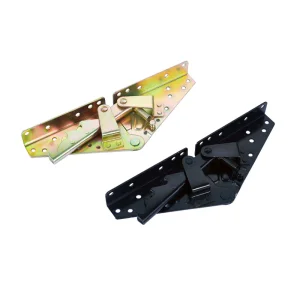
For modern knock-down (KD) furniture, threaded inserts, double-wall drawer slides, and multi-position tilt mechanisms are no longer simple accessories. They act as structural anchors. The integrity of an entire modular setup relies on the tensile strength of its base fittings and the precision of its lock mechanisms. Sourcing departments must evaluate raw materials, electroplating thickness, dynamic fatigue ratings, and the environmental footprint of each supplier to ensure compliance with standards like ANSI/BIFMA (for office furniture) and EN 15570 (for hardware reliability).
A deep look into production capabilities, tooling design, and custom hardware engineering.
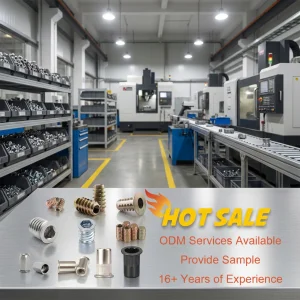
Foshan Refa Tools Co., Ltd. is a specialized manufacturer and supplier of furniture hardware accessories, cabinet fittings, and wardrobe systems based in Foshan, China. Catering to global furniture brands, wholesalers, and OEM/ODM clients, the company manages custom hardware projects from initial design and structural modeling through to final high-volume export.
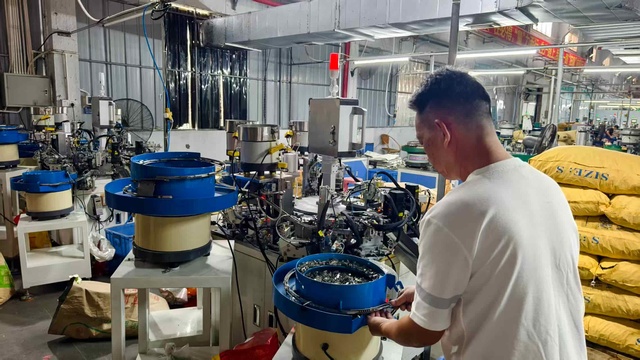
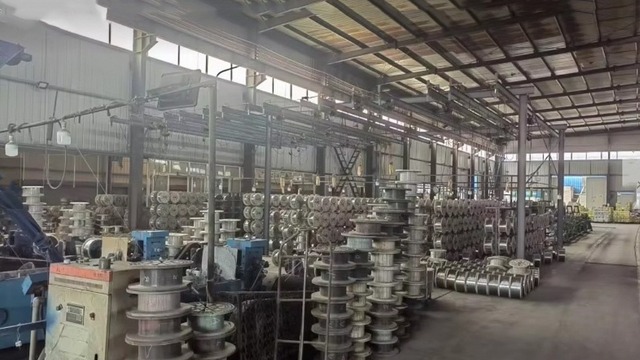
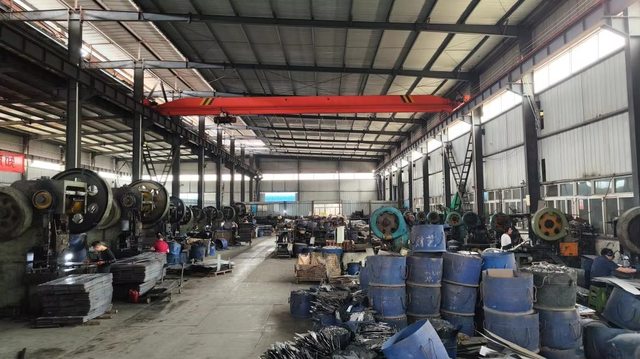
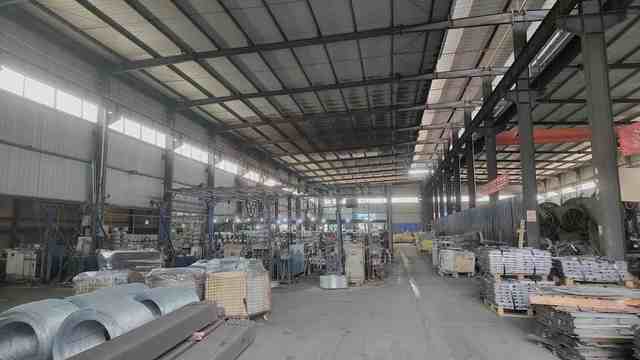
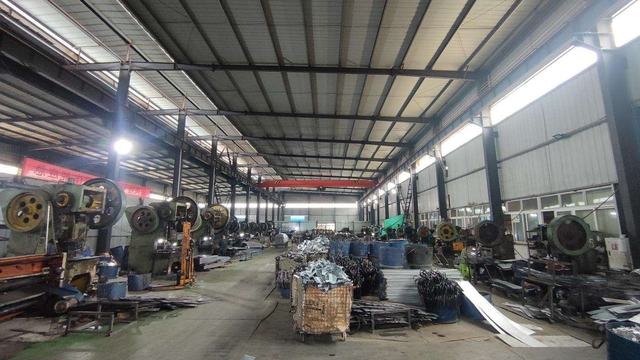
Refa Tools integrates all core manufacturing stages under one roof to maintain control over dimensions and structural integrity. Their workflow spans product development, custom tooling design, metal stamping, high-pressure die-casting, surface treatments, assembly, and automated testing. This vertical integration allows them to offer components for cabinets, wardrobes, offices, and beds while meeting strict mechanical specifications.
Every batch produced by Foshan Refa Tools Co., Ltd. undergoes extensive testing, including salt-spray tests for corrosion resistance, cycle testing for drawer runners and hinges under full loads, and dimension verifications. This ensures their products align with global performance criteria for high-end furniture markets.
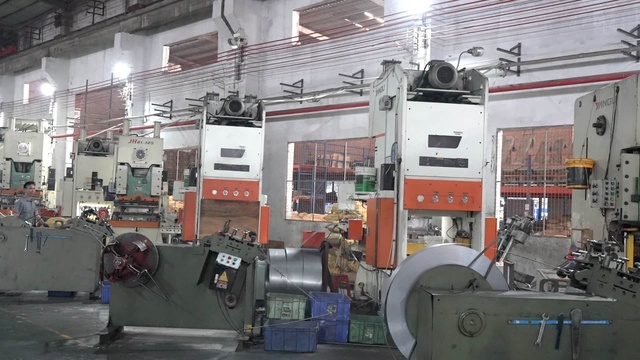
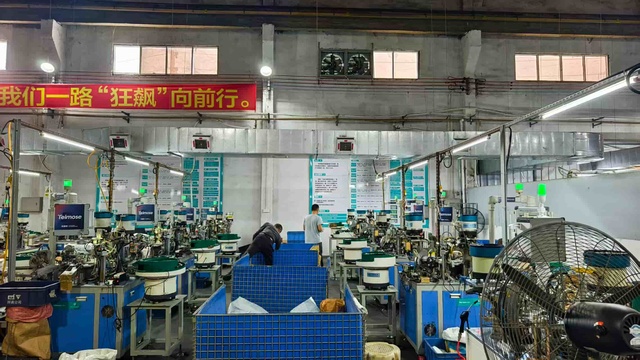
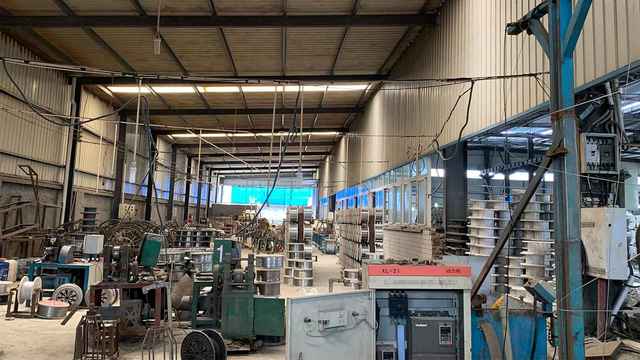
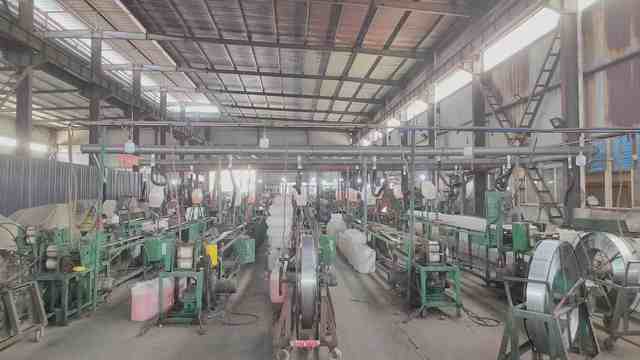
A checklist for sourcing agents and structural engineers when qualifying manufacturing suppliers.
Top-tier factories use virgin alloys (such as high-grade ADC12 aluminum and Zamak 5 zinc) along with cold-rolled carbon steel, avoiding scrap inputs that can compromise load capacity.
Consistent fit in high-volume production requires precision tooling. Leading factories maintain dimensional tolerances within 0.02mm to 0.05mm using CNC machining centers.
Proper surface finishes, such as multi-layer nickel plating or trivalent passivated zinc, help prevent oxidation, especially in high-moisture kitchen or bathroom settings.
Reliable components are tested under static and dynamic loads. Functional hardware, such as undermount slides, should be rated to maintain smooth operation for 50,000 to 100,000 cycles.
Factories that design and manufacture their tooling in-house can adjust molds faster, reduce prototyping lead times, and optimize structural rib placements for custom OEM parts.
Automated assembly reduces human error in multi-component parts, such as soft-close pistons and spring assemblies, resulting in consistent operation across large production runs.
How new materials, smart integration, and eco-friendly standards are shaping the next generation of hardware.
The furniture hardware sector is adopting new materials and technical solutions to meet changing design preferences. As modern styles favor clean lines and hidden support, hardware manufacturers are developing slimmer, concealed components that maintain the necessary structural integrity.
1. Concealed and Invisible Connections: Traditional face-frame connectors are being replaced by pocket-hole inserts and hidden dowel mechanisms. Modern knock-down (KD) fittings are designed to lock internally with a single quarter-turn, hiding mechanical parts from view while providing a strong wood-to-metal connection.
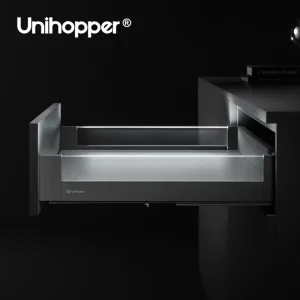
2. Integration of Electronics: The demand for smart home storage has brought lighting and power options directly into furniture hardware. Drawers with integrated LED channels, automated soft-close slides, and touchless sensors require specialized routing channels and non-conductive mounting components to run wiring safely through the furniture structure.
3. Sustainable Materials: Regulatory updates such as REACH and RoHS have led factories to phase out heavy-metal plating processes (including hexavalent chromium). Modern manufacturing utilizes eco-friendly electroplating and powder-coating technologies that protect against corrosion while meeting environmental standards.
Matching specific hardware designs to commercial, residential, and industrial environments.
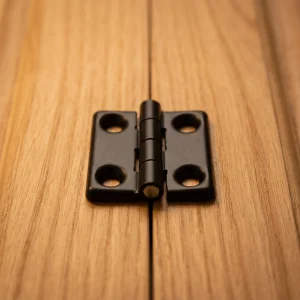
Different installation environments place distinct physical demands on furniture fasteners. A hinge that works well in a residential bedroom wardrobe may not hold up to the high traffic of an office or the moisture levels of a commercial kitchen.
Primary Challenge: Repeated dynamic loads, fatigue failure on moving parts, and frequent reconfigurations.
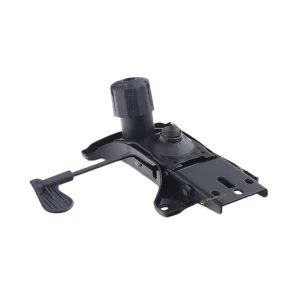
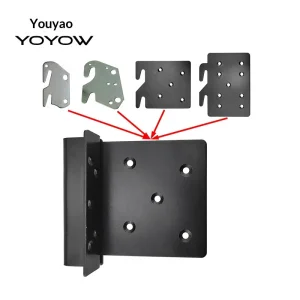
Solution: Heavy-duty tilt mechanisms, carbon-steel connection brackets, and reusable threaded inserts that allow office layouts to be disassembled and reassembled without stripping the wood fibers.
Primary Challenge: Chemical corrosion from cleaning agents, steam, water exposure, and grease accumulation.
Solution: Nickel-plated zinc-alloy hinges and 304/316 stainless-steel drawer runners that resist oxidation and maintain smooth soft-close movement under damp conditions.
Primary Challenge: Structural alignment over large vertical spans, sagging cabinet bottoms, and visual design requirements.
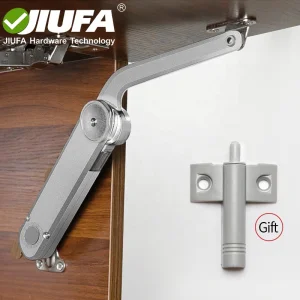
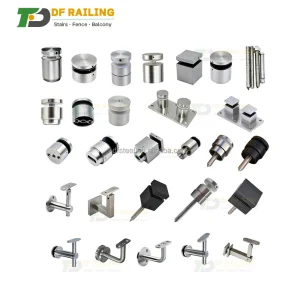
Solution: High-precision glass pegs, heavy-duty flap stays for drop-down doors, and double-wall drawer systems with integrated 3D adjustments for precise gap alignment.
Answers to common structural design and material selection questions from engineers and procurement managers.
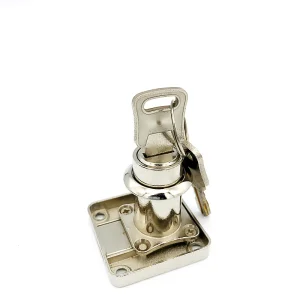
Zinc alloy (specifically Zamak grades) offers excellent fluid castability, allowing factories to produce intricate shapes with tight tolerances directly from the mold. It has natural corrosion resistance and does not rust like steel, making it ideal for visual, complex components like cabinet locks and external hinges. Steel is preferred for high-stress structural parts, such as bracket reinforcements, due to its higher tensile strength.
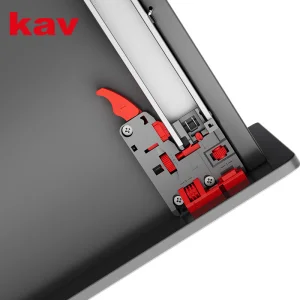
A 3D adjustable slide features built-in mechanical dials that allow installers to adjust the drawer front vertically, horizontally, and depth-wise. This adjustment capability ensures even spacing around the drawer fronts, which is especially helpful for cabinet structures that may settle over time. The integrated soft-close system uses a hydraulic damper to slow the drawer during closing, reducing noise and impact wear on the furniture frame.
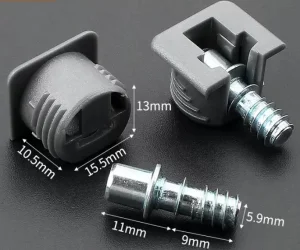
Direct wood screws cut directly into the wood fiber or particleboard, which can weaken the material if the furniture is disassembled and reassembled. Threaded insert nuts (metal sleeves with external wood threads and internal machine threads) provide a permanent, threaded metal-to-metal connection. This setup helps prevent stripping and maintains structural strength during multiple assembly cycles.
Reliable manufacturers put soft-close parts through cycle testing (usually between 50,000 and 100,000 cycles under full weight capacity) to verify the durability of the hydraulic pistons. They also use environmental chambers to test operation in temperature extremes (from -10°C to 50°C), ensuring the damping fluid maintains consistent viscosity and performance in various climates.
Select hardware solutions for structural connections, soft-close drawers, and specialty applications.
 Refa Tools