Explore precision-engineered structural accessories designed for high durability, smooth movement, and robust structural integrity across international residential and commercial specifications.
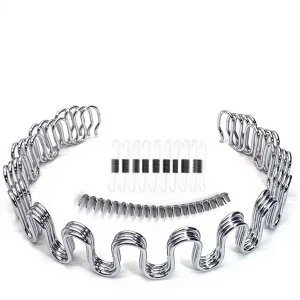
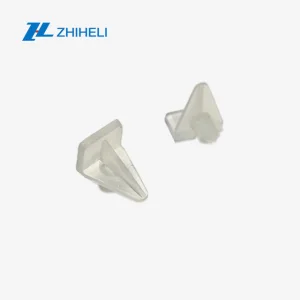

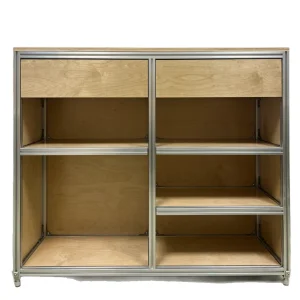
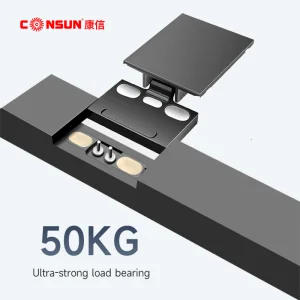
The global furniture and bedding hardware industry is going through a dynamic shift. Modern urbanization, smart modular furniture demands, and functional space optimization have altered the way furniture is constructed. At the base of these shifting paradigms lies the bedding hardware components. These structural mechanisms—ranging from gas springs, adjustable sofa hinges, and robust serpentine coil systems to premium concealed drawer slides—act as the joints, muscles, and skeletal supports of everyday furniture.
Today's industrial buyers, global wholesalers, and contract manufacturers require absolute consistency. Hardware must withstand thousands of load cycles, resist oxidation under coastal climates, and provide silent, ergonomic movements. The supply chain has consolidated into key expert regional hubs, with advanced manufacturers in Foshan, China, setting international benchmarks for precision, high throughput, and swift prototyping.
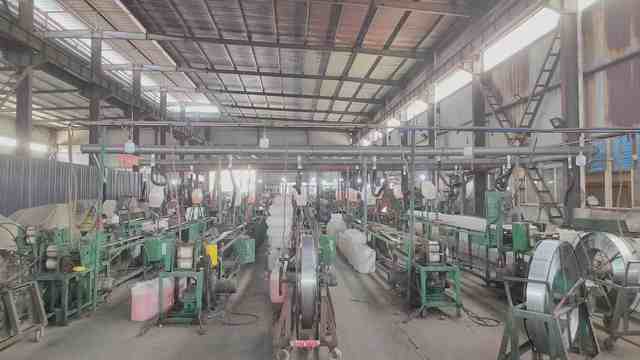
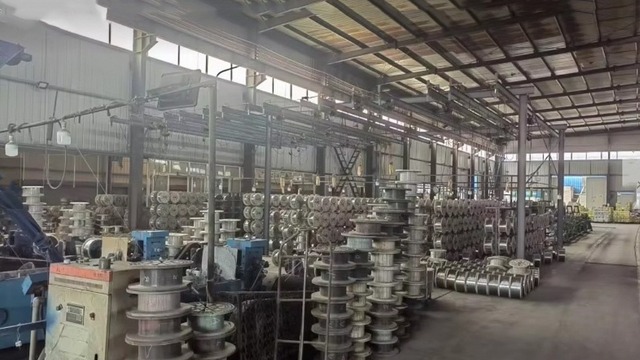
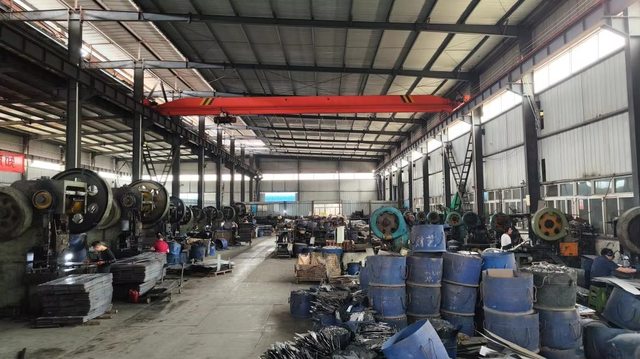
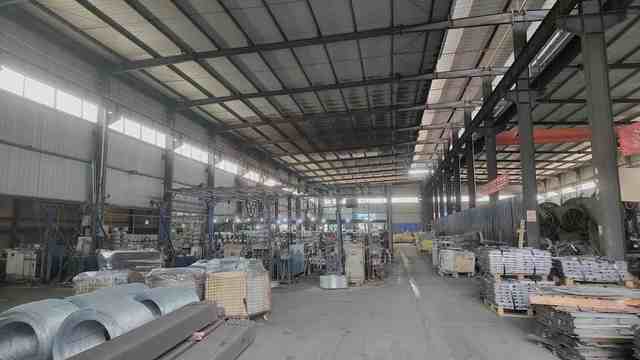
Foshan Refa Tools Co., Ltd. serves as an industry benchmark in the legendary hardware cluster of Shunde, Foshan. As a professional Furniture Hardware Accessories manufacturer and cabinet & wardrobe hardware fittings supplier based in Foshan, China, the company specializes in the design, production, and export of high-quality furniture hardware solutions for global furniture brands, wholesalers, and OEM/ODM clients.
By offering unified structural solutions—ranging from steel brackets and hydraulic pistons to concealed zinc-alloy hinges—Foshan factories streamline production stages. For global procurers, this translates into drastically reduced lead times, dynamic custom tool creation, and lower tooling fees compared to suppliers in Europe or North America.
| Hardware Category | Primary Material Alloy | Structural Load Rating | Ideal Application Scenario | Testing Benchmark Standards |
|---|---|---|---|---|
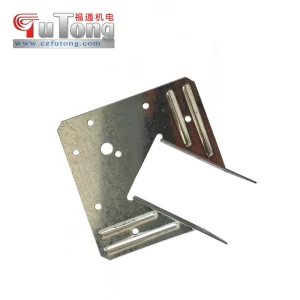
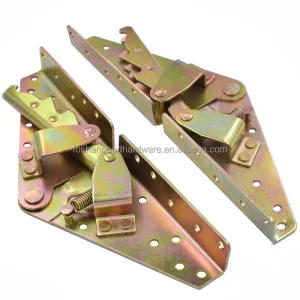
| Sofa Bed Adjustable Hinges | Reinforced Cold-Rolled Steel | 150 kg - 250 kg per joint | Convertible Living Room Sofa Beds | EN 12520 Mechanical Safety |
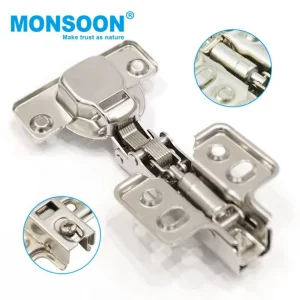
| Concealed Hydraulic Hinge | High-Grade Zinc Alloy / Q195 Steel | Up to 40 kg per pair | Kitchen and Wet Area Cabinet Doors | SGS 50,000 Open-Close Cycle Test |
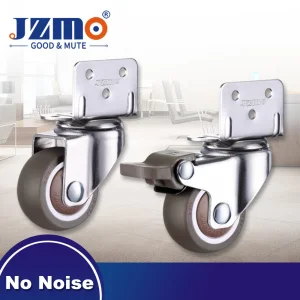
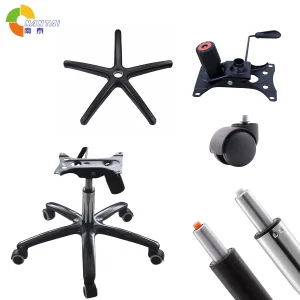
| Universal Caster Wheels | Silenced Polyurethane & Steel | 50 kg - 120 kg per wheel | Mobile Pedestals, Baby Cribs | ANSI/BIFMA X5.11 Dynamic Test |
| Height-Adjustable Gas Spring | Piston Rod Medium Carbon Steel | Up to 1000N Force capacity | Pneumatic Bed Frames & Office Chairs | TUV DIN 4550 Class 4 Certification |
Global procurement directors and supply chain managers evaluate hardware suppliers on far more than unit cost. Quality control stability, surface coating consistency (crucial to prevent oxidation), and mechanical performance metrics under stress determine the total cost of ownership. Bedding components that fail inside consumer homes trigger expensive recalls, brand equity loss, and warranty liabilities.
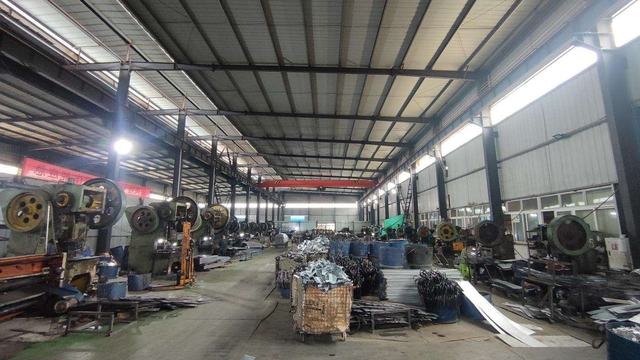
When selecting a supplier, look for factories that employ automated testing rigs. Precision stamping machines minimize raw dimensional deviation, ensuring that pre-drilled holes in flat-pack furniture align perfectly every single time. Surface finish inspections must confirm that coatings are free of micro-pores, especially when shipping long distances in sea containers where high humidity can accelerate rust.
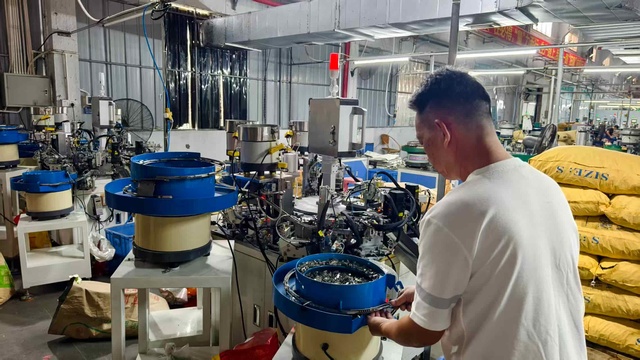
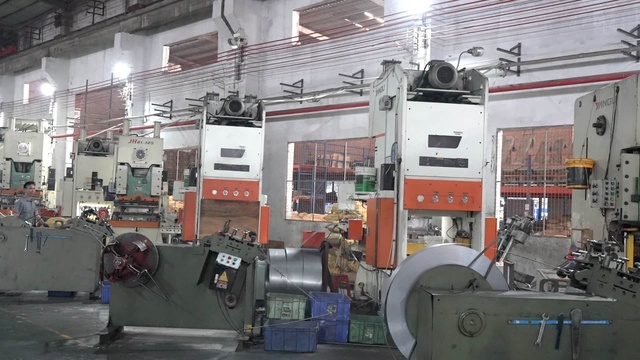
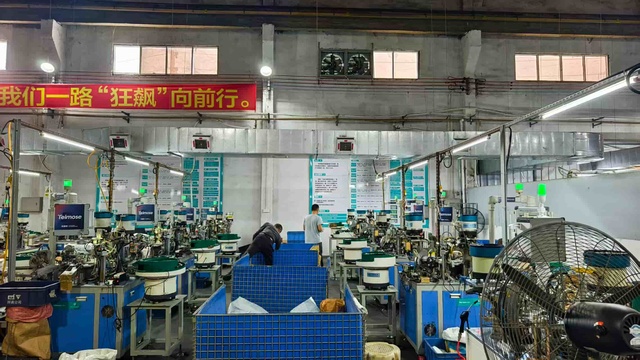
The contemporary furniture market is shifting towards sleek, hardware-hidden aesthetics. Modern hardware is not simply functional—it is integrated seamlessly into structural designs. Notable innovations like the NUOMI Glass Lighting Drawer Box with soft-close undermount slide rails represent this high-tech convergence of furniture mechanics and integrated electronic lighting.
Additionally, silent engineering is now standard. Soft-close hydraulic dampers, nylon-shrouded wheels on casters, and vibration-absorbing serpentine springs are critical features. High-grade alloy surfaces are finished with multi-layer electroplating or eco-friendly powder coatings to align with strict EU REACH and US EPA environmental regulations.
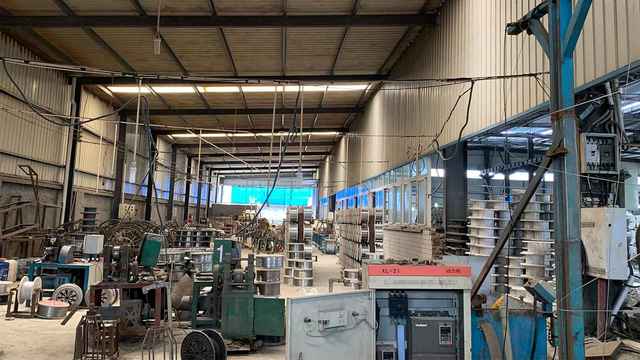
Bedding and structural hardware requirements vary extensively between residential and commercial architectures:
Find authoritative answers regarding material sciences, testing protocols, factory auditing, and standard global shipping terms for bedding and wardrobe hardware systems.
Discover high-performance components engineered for lifting mechanisms, structural truss systems, and modern bedroom furniture designs.

 Refa Tools