Explore our elite range of hidden hardware systems, engineered for structural performance and aesthetic integration.
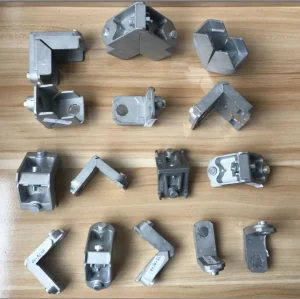
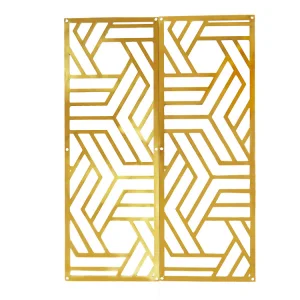
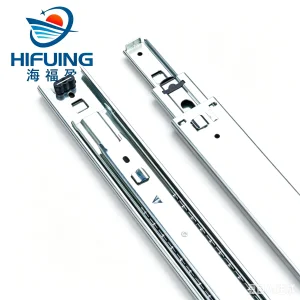
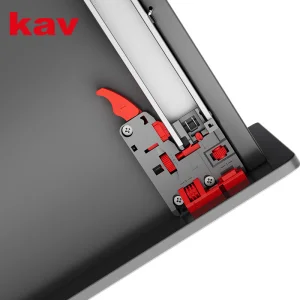
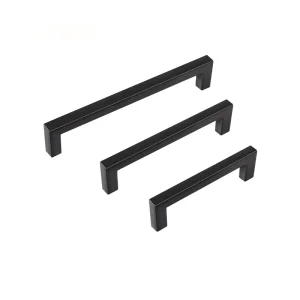
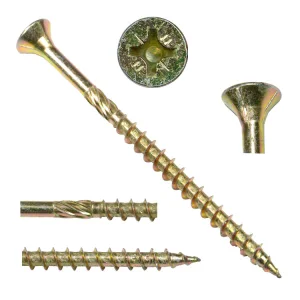
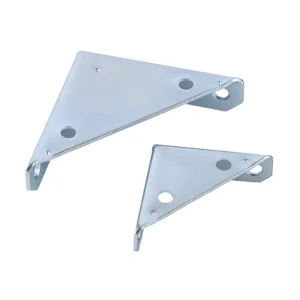
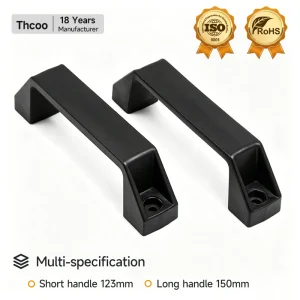
In modern architectural engineering and high-end furniture design, the demand for visual purity has driven hardware technology to integrate directly within structural elements. Once considered purely functional components, modern fasteners, slides, hinges, and connectors are now designed as Hidden Hardware Systems. By concealing mechanical operations within cabinet frames, door interfaces, and structural joints, manufacturers can preserve clean lines while maintaining mechanical load tolerances.
The shift from traditional surface-mounted accessories to concealed structures is not merely an aesthetic choice; it represents a significant mechanical upgrade. Traditional hardware is prone to localized stress concentrations and environmental exposure. In contrast, hidden mechanisms, such as 3D adjustable undermount slides and internal corner cleats, distribute load stress more evenly across the structural medium. This engineering approach extends the lifecycle of high-traffic doors, heavy drawer drawers, and structural panel joints.
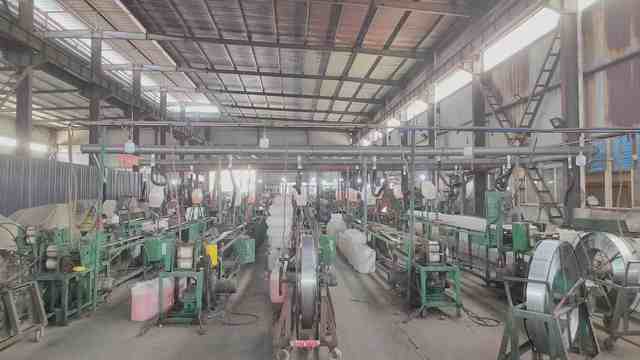
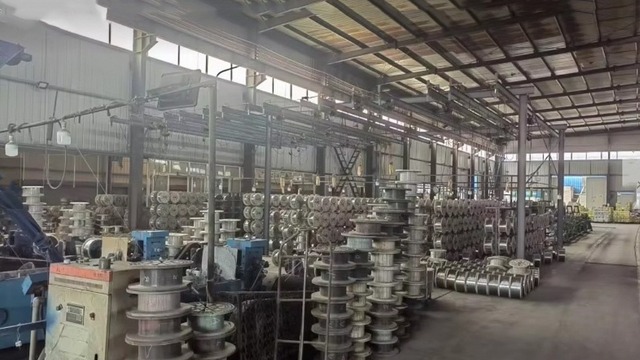
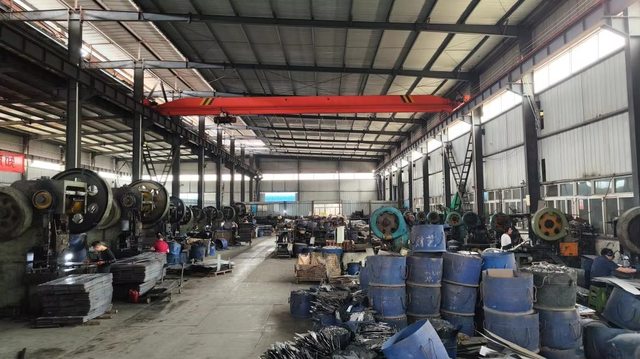
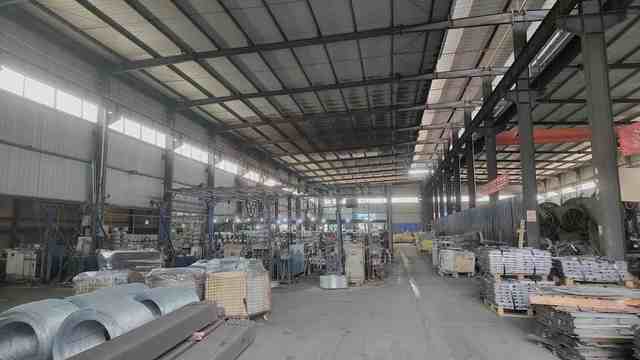
Based in the manufacturing center of Shunde District, Foshan, Guangdong Province, China, Foshan Refa Tools Co., Ltd. is a dedicated manufacturer and supplier of furniture hardware accessories, cabinet parts, and wardrobe fittings. The company operates a fully integrated facility that spans structural engineering, tooling fabrication, precision stamping, die-casting, high-tolerance surface treatment, assembly, and strict multi-phase quality control.
Refa Tools addresses the requirements of global furniture brands, architectural engineering contractors, and wholesale distributors. The factory specializes in:
By controlling every step of the supply chain internally—from raw steel coil inspection to final electroplating—Foshan Refa Tools ensures that every batch matches international dimensional specifications, eliminating deviations during site assembly.
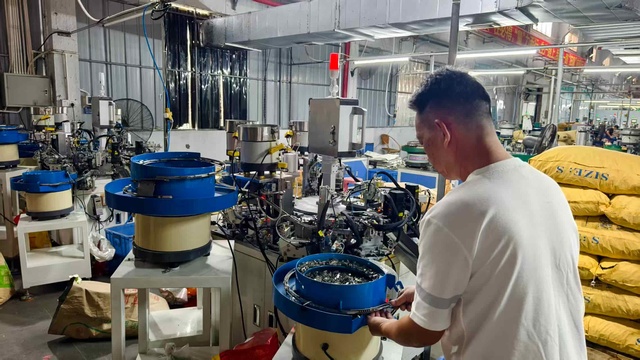
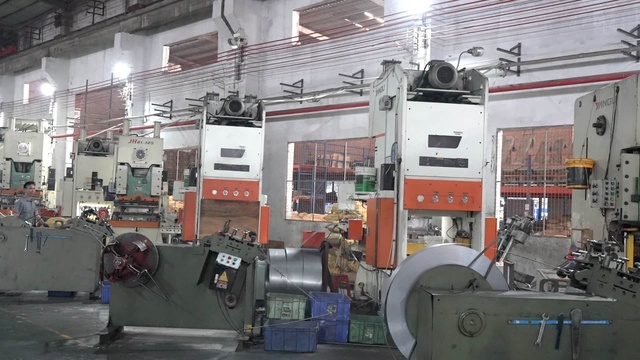
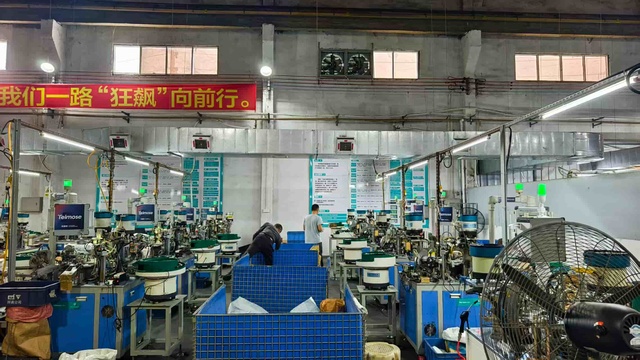
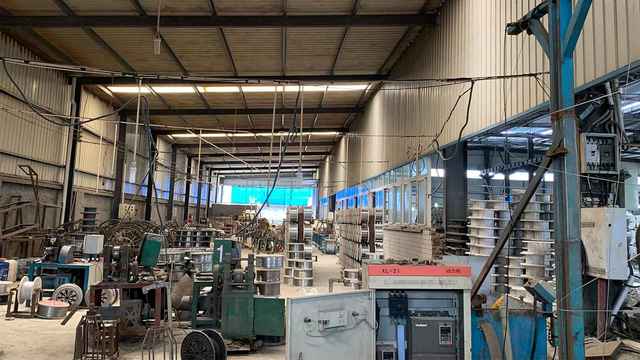
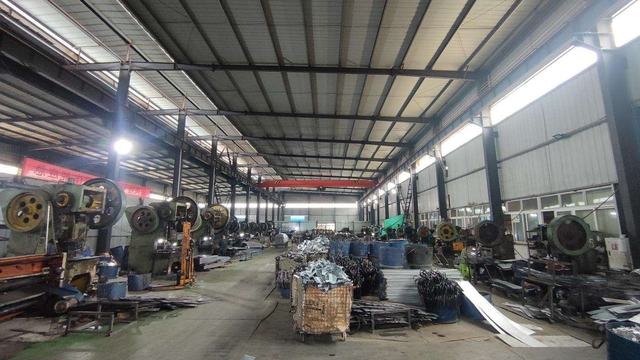
Below is an overview of the manufacturing facilities, raw material processing zones, and quality assurance divisions within the Foshan Refa Tools production plant.
B2B procurement agents face specific challenges when sourcing concealed hardware. The hidden nature of these components means that failure can result in high maintenance costs, as panels or structural frameworks must be disassembled to replace a faulty part. Procurement departments prioritize the following metrics during vendor qualification:
Serving diverse global markets requires more than just high-quality manufacturing; it demands strict adherence to region-specific technical standards. Foshan Refa Tools Co., Ltd. tailors its mechanical designs to pass rigorous international standards.
In North America, hardware must meet ANSI/BHMA guidelines regarding cycle thresholds and weight classifications, particularly for commercial millwork. In the European Union, compliance with EN 15338 (for drawer runners) and EN 15570 (for hinges) is required, alongside RoHS-certified finishes to prevent heavy metal exposure in home and office spaces.
To support these compliance frameworks, Refa Tools provides full testing documentation, including salt spray testing reports, loading analysis, and structural failure limit declarations. By maintaining clear quality trails, the factory allows global importers to clear custom borders and complete large-scale building handovers without regulatory friction.
The efficiency of modern manufacturing relies heavily on industrial proximity. Located in Foshan, Refa Tools sits within the world's most concentrated furniture and metalware supply ecosystem. This geographic advantage offers several key operational benefits:
The hidden hardware segment is moving toward integration with smart home technology and high-strength, lightweight alloys. Engineering trends shaping the next decade include:
1. Mechanical Synchronization: Advanced drawer slide systems now combine mechanical push-to-open and fluid-damped soft-close operations within a single, concealed unit. This eliminates the need for external cabinet pull handles while ensuring silent, self-closing motion.
2. Space Optimization and Micro-Profiles: Designers are looking to maximize internal cabinet storage. By reducing the thickness of metal drawer profiles and using ultra-compact cabinet lift-up mechanisms, manufacturers can preserve storage volume without compromising structural load capacity.
3. Environmental Surface Engineering: Traditional electroplating processes are being replaced by eco-friendly water-based coatings, non-hexavalent chrome zinc finishes, and durable electrostatic powder coatings that meet international eco-labels.
Concealed hardware systems are used across a variety of interior and structural applications:
Our internal engineering department designs and manufactures custom stamping dies and die-casting molds, reducing prototype-to-production times to just 3 to 4 weeks.
We perform automated electro-zinc plating, nickel multi-layer coating, anodizing, and powder coatings, all verified to exceed 48-hour neutral salt spray tests.
Our products undergo continuous cyclic wear analysis, static load tests, and ultimate destructive load evaluations to guarantee compliance with DIN and ANSI standards.
A: We use high-tensile, cold-rolled steel (SPCC) for heavy-load drawer slides, 304-grade austenitic stainless steel for high-humidity environments, and virgin zinc alloy (Zamack 3/5) for die-cast connection joints. Materials are verified with mill certificate documentation to ensure structural reliability.
A: Yes, we provide full OEM and ODM customization. This includes custom length configurations, specialized screw-hole spacing, modified load ratings, and custom-branded surface stamps. We work directly from CAD drawings or physical reference samples.
A: Our standard production cycle is 25 to 30 days once design profiles are locked. We coordinate closely with logistics agents in Foshan, Shenzhen, and Hong Kong to manage sea, air, and multimodal transport logistics, handling export documentation for direct port delivery.
A: Our premium undermount slide systems feature integrated 3D adjustment mechanisms. This allows installers to tune panel gaps on-site by adjusting height (0-3mm), depth (0-2.5mm), and side-to-side margins (1.5mm) without disassembling the cabinet drawer boxes.
A: We use multi-layer coating treatments, including yellow zinc passivation, nickel-plating, and electrostatic painting. Our processing lines are regularly monitored, and samples are pulled for standard salt-spray chambers to verify finish integrity over time.
Explore our technical cabinet components, sliding mechanisms, and custom structural fasteners.
 Refa Tools