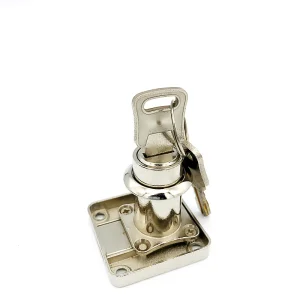
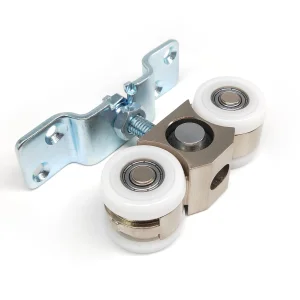
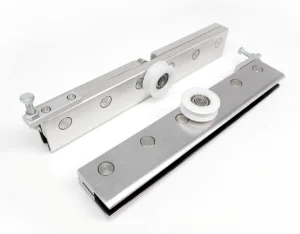
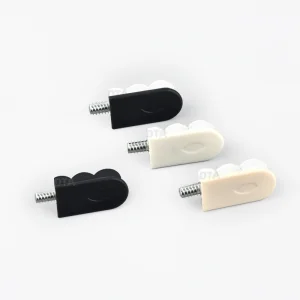
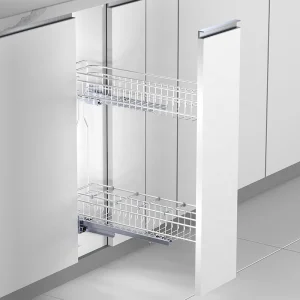
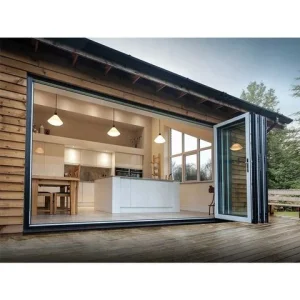
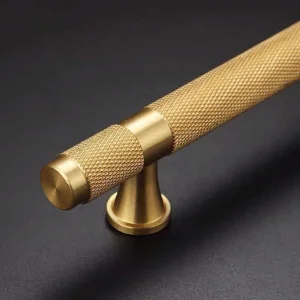
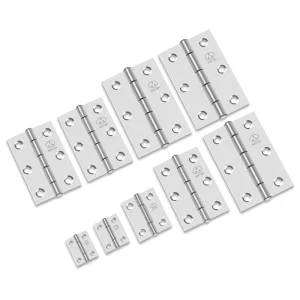
Industrial-grade cabinet fittings, heavy-duty connectors, and architectural hanging systems engineered to exact tolerances.
In modern structural engineering and furniture design, the stability of a 90-degree joint is paramount. Whether securing heavy-duty shelving, anchoring modular framing systems, or aligning architectural components, standard off-the-shelf fasteners often fall short of meeting the dynamic shear stresses, bending moments, and tensile loads required by commercial-grade projects. This is where Custom OEM Corner Braces become critical.
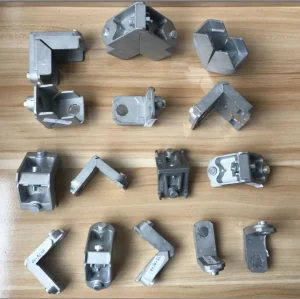
Industrial-grade corner braces (also known as angle brackets, gusset plates, or joint connectors) distribute load and prevent mechanical fatigue at crucial structural intersections. Off-the-shelf brackets lack the tailored physical geometry, optimal material thickness, and specialized hole configurations needed to match specific load vectors. Custom fabrication ensures that factors such as the radius of bend, gusset integration, and countersunk depth are precisely optimized for the intended load profile.
Foshan Refa Tools Co., Ltd. is a professional Furniture Hardware Accessories manufacturer and cabinet & wardrobe hardware fittings supplier based in Foshan, China. The company specializes in the design, production, and export of high-quality furniture hardware solutions for global furniture brands, wholesalers, and OEM/ODM clients.
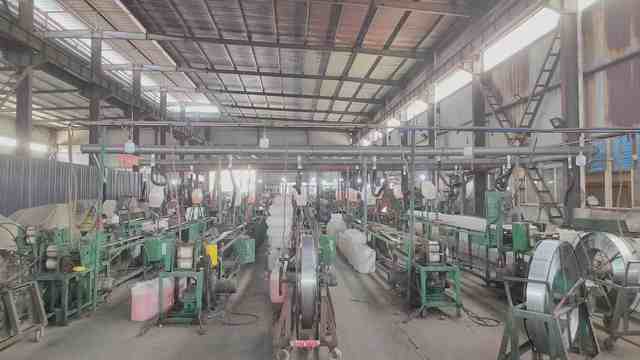
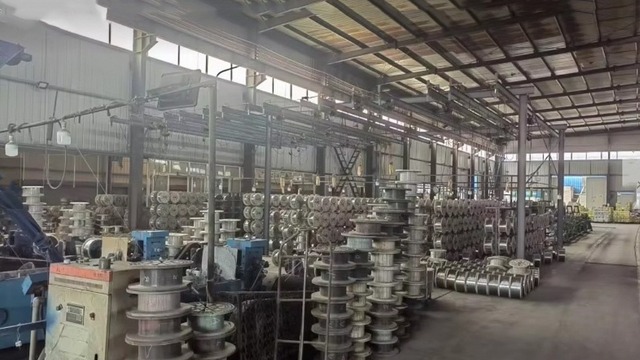
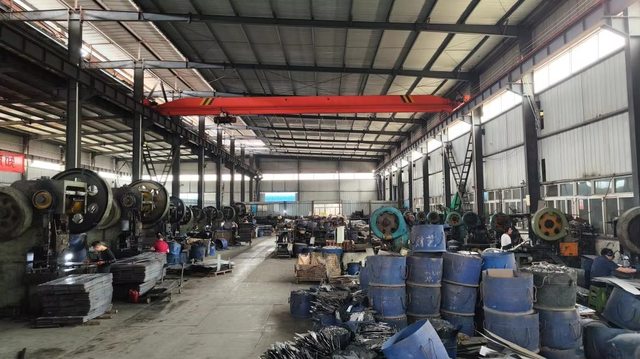
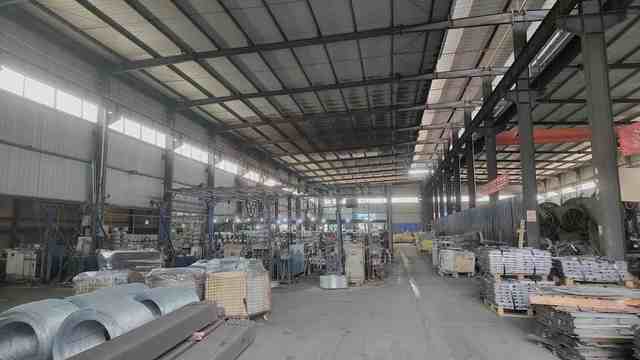
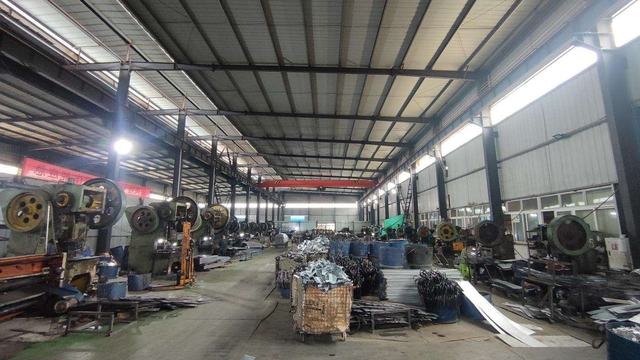
With strong manufacturing capabilities and advanced production equipment, Refa Tools focuses on delivering durable, precision-engineered hardware accessories used in cabinets, wardrobes, drawers, doors, beds, and office furniture systems. The company integrates product development, tooling design, stamping, die-casting, surface treatment, assembly, and quality inspection into a complete production workflow.
Refa Tools offers a wide range of furniture hardware components, including structural connectors, fastening systems, sliding mechanisms, hinges, brackets, and decorative fittings. Each product is designed to ensure stability, smooth functionality, long service life, and easy installation.
A comparative engineering breakdown of materials and configuration standards for custom structural brackets.
Selecting the correct raw material is the first and most critical decision in custom corner brace engineering. The working environment, target mechanical load, budget constraints, and expectations for corrosion resistance guide this decision. Below is the technical breakdown of the typical material paths utilized in our OEM manufacturing processes:
Unmatched corrosion resistance. Highly recommended for architectural facades, sanitary spaces, and maritime applications. SUS 316 contains molybdenum, adding superior resistance to pitting by chloride solutions.
Cost-effective structural powerhouse. Offers excellent tensile strength. Typically treated with electro-zinc plating, hot-dip galvanization, or powder coatings to prevent oxidation in indoor/outdoor configurations.
Optimal for intricate geometric requirements. Zinc alloy allows high-precision die-casting, creating complex structures with integrated reinforcing gussets and countersunk configurations without the need for secondary bending operations.
| Material Type | Common Grade | Tensile Strength (MPa) | Corrosion Resistance Rating | Primary Application Fields |
|---|---|---|---|---|
| Stainless Steel | SUS 304 / 316 | ≥ 515 | Excellent (Salt Spray > 240 hrs) | Marine, Food-Grade, Cleanroom, Facade Panels |
| Cold-Rolled Steel | SPCC / Q235 | 370 - 500 | Moderate (Dependent on Coating) | Internal Furniture Brackets, Heavy Frame Joints |
| Zinc Alloy | Zamak 3 / Zamak 5 | 280 - 330 | Good (Passivated or Chrome Plated) | Intricate Cabinet Locks, Small Decorative Corner Joint |
| Aluminum Alloy | AL 6061-T6 | ≥ 290 | High (Anodized Finish) | Lightweight Structures, Aerospace, Modern Windows |
China remains the world's most resilient and cost-optimized ecosystem for metal stamping, fabrication, and hardware exporting. The concentration of upstream raw material refineries, design tooling facilities, and downstream logistics channels creates an integrated network that is difficult to replicate globally.
Foshan Refa Tools Co., Ltd. operates directly in the heart of Foshan, a premier cluster for hardware and metal fabrication. The company strictly follows international quality standards and implements rigorous inspection procedures at every stage of production, from raw material selection to final packaging. This ensures consistent performance and reliability across all product categories.
Refa Tools also provides customized OEM and ODM services, supporting clients with tailored hardware solutions for different furniture designs and market requirements. With flexible production capacity and efficient supply chain management, the company can handle both small-batch customization and large-scale export orders.
By combining innovation, precision engineering, and strong manufacturing expertise, Foshan Refa Tools Co., Ltd. has become a trusted global supplier in the furniture hardware accessories industry, delivering reliable, functional, and high-performance hardware solutions to customers worldwide.
Industrial and construction products are bound by strict local safety codes, structural requirements, and material health declarations depending on their geographical destination. Global businesses purchasing custom metal hardware face a web of regulatory challenges that demand engineering compliance at the factory level.
Our OEM process handles these requirements seamlessly. We engineer brackets and joint connectors to satisfy regional compliance programs, including:
Whether your application requires high-tensile fasteners for heavy wooden beds, architectural framing cleats for regional wind-load requirements, or concealed door hardware for high-traffic environments, we align our QA procedures with your specific regional standards.
Inside our integrated production lines - Tooling, stamping, casting, and finishing workflows.
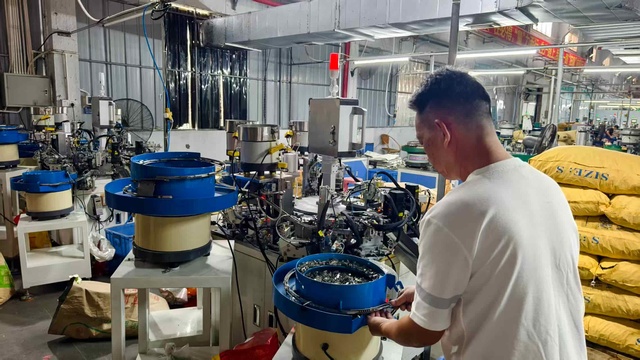
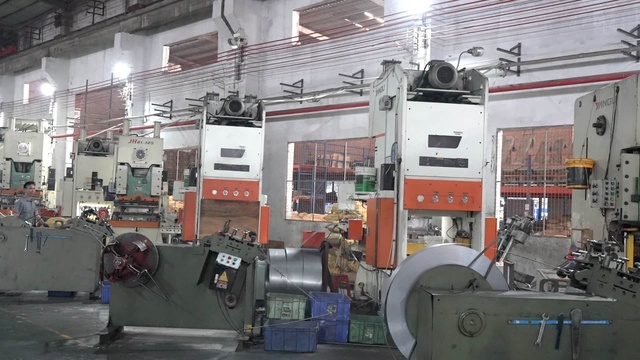
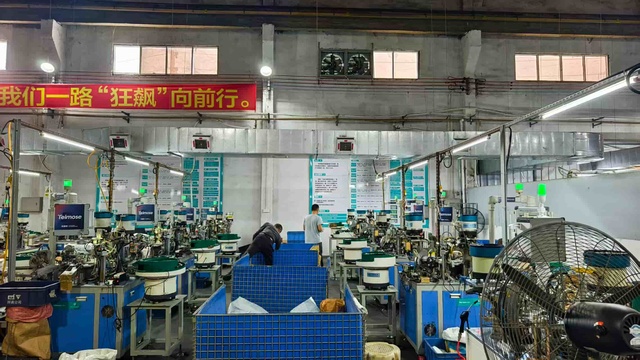
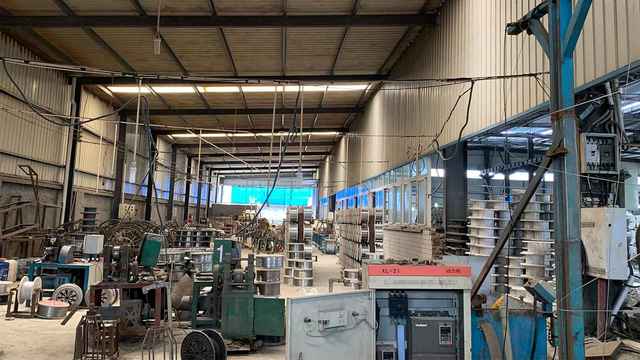
The construction and global furniture hardware markets are shifting toward high efficiency, green construction, and visual minimalism. This evolution has driven several key developments in the design of structural joints:
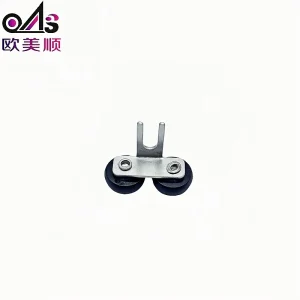
A. The Rise of Invisible / Concealed Joint Hardware: Minimalist architecture demands that joints, fasteners, and support brackets remain unseen. Concealed sliding tracks, hidden bed frame connectors, and flush-mounted corner braces are replacing bulky external designs, improving design aesthetics without sacrificing structural load capability.
B. Integration of Modular and Flat-Pack Systems: Rapid assembly systems require versatile fasteners. Connectors like the 3-in-1 wardrobe bolt, modular aluminum profiles, and tool-free snap-locking systems streamline shipping costs and simplify end-user assembly.
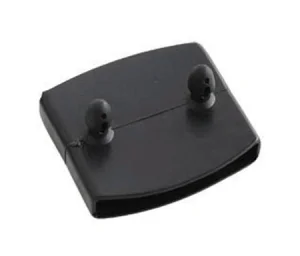
C. Smart Machining & Advanced Surface Finishes: Modern hardware relies on protective coatings that resist extreme environments. Anti-friction nylon guides, self-lubricating sliding panels, and advanced physical vapor deposition (PVD) finishes ensure that critical moving and structural hardware assemblies outlast traditional zinc plating.
Technical answers to key engineering and procurement queries regarding structural brackets and OEM manufacturing.
From heavy-duty bed connections to aluminum architectural profiles and decorative brass fittings.
 Refa Tools