How to Extend the Lifespan of Furniture Hardware?

Time:2026-10-12 Author:Sienna
0%

Furniture hardware often works quietly until a hinge squeaks, a drawer sticks, or a handle loosens. These small failures can make a well-built cabinet feel worn and unreliable. Extending hardware life is not about applying more lubricant or tightening every screw blindly. It requires matching maintenance to the material, load, environment, and frequency of use.

So, what affects the lifespan of furniture hardware? Moisture, dust, excessive weight, poor alignment, and repeated impact all matter. A kitchen drawer near a sink faces different conditions from a dry bedroom wardrobe. Steel slides may resist heavy use, while cheaper alloys can scratch, bend, or corrode sooner. Even a strong hinge may fail when its screws sit in weak or swollen wood. Experience shows that early warning signs deserve attention. A faint squeak, uneven gap, or handle that turns slightly can indicate growing stress.

Simple habits often protect hardware best. Wipe away spilled water quickly. Remove dust from runners with a soft brush. Tighten loose fasteners carefully, without stripping the heads. Use a lubricant recommended for the specific mechanism, not whatever is nearby. That shortcut can attract grit. It happens.

Professional installation also matters. Doors should hang level, drawers should move without rubbing, and replacement parts should match the original load rating. Still, no maintenance plan is perfect. Household habits change, materials age, and some failures reveal manufacturing limits. Regular inspection cannot prevent every problem, but it can reduce avoidable wear, preserve smooth movement, and help furniture remain dependable for many more years.
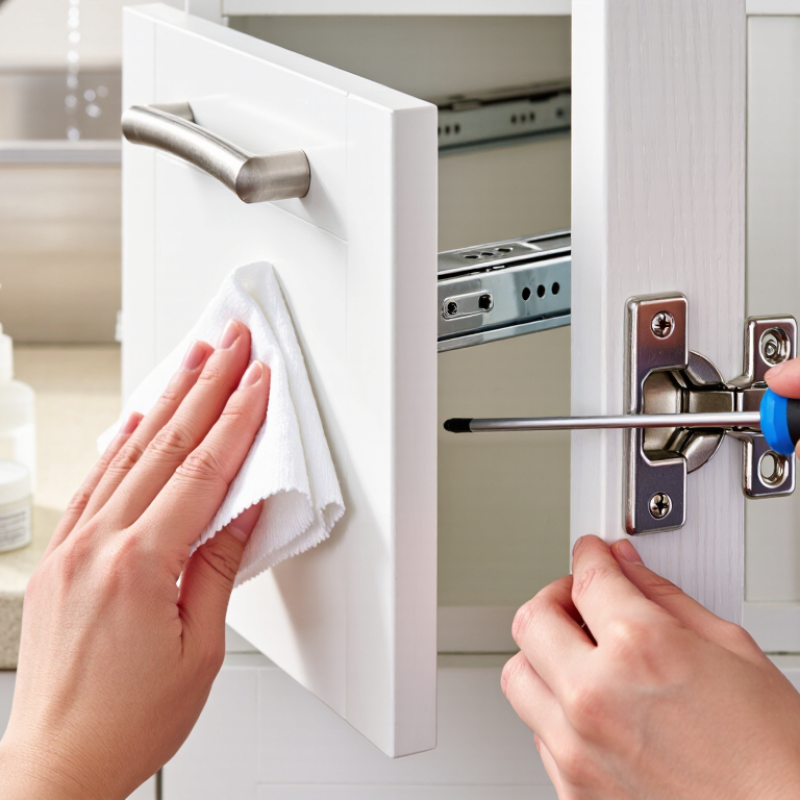
How to Extend the Lifespan of Furniture Hardware?

Understanding Furniture Hardware and Its Wear Factors

How to Extend the Lifespan of Furniture Hardware?

Understanding Furniture Hardware and Its Wear Factors

Furniture hardware includes hinges, drawer slides, handles, fasteners, and connecting brackets. Each part carries different mechanical stress during daily use. A cabinet hinge may open thousands of times, while a drawer slide supports repeated pulling and uneven weight. Small parts still matter.

Moisture is a major wear factor. It can cause metal surfaces to corrode and wooden panels to swell around screws. Dust and cooking grease also collect inside hinges and slide tracks. This buildup increases friction, creating stiffness, noise, and loose connections. A dry room, gentle cleaning, and proper ventilation can reduce these effects.

Weight matters more than many people expect. Overloaded drawers place pressure on runners and mounting screws. Fasteners may gradually loosen when furniture stands on an uneven floor. Check alignment by opening drawers slowly and watching for rubbing. Tighten loose screws carefully, but avoid excessive force, which can damage the surrounding material.

In my workshop, I once blamed a worn hinge before noticing a warped cabinet door. That mistake reminded me to inspect the whole assembly. Hardware often fails because of surrounding stress, not age alone. Still, regular checks can miss hidden damage. Look beneath drawer boxes, behind mounting plates, and around screw holes for cracks, rust, or movement. Some repairs require replacement rather than another adjustment.

Choosing Durable Hardware for Each Furniture Application

How to Extend the Lifespan of Furniture Hardware?

Choosing durable hardware starts with the furniture’s actual use, not its appearance. Cabinet hinges need smooth movement and stable alignment under repeated opening. Drawer slides should match the drawer’s weight and expected daily cycles. Fit matters most. A strong component can fail when the cabinet wall is too thin or the screws are too short.

In kitchens and bathrooms, choose hardware with corrosion-resistant finishes and protected moving parts. Moisture changes everything. For wardrobes, soft-close hinges reduce impact on doors and mounting points. Heavy drawers need reinforced slides with suitable load ratings. Check the manufacturer’s technical specifications, then test the hardware with the furniture fully loaded. I once chose compact slides for a deep storage drawer. They worked empty but bent under tools and cookware. That was my mistake.

Outdoor furniture requires fasteners and brackets designed for changing temperatures, humidity, and direct sunlight. Select materials that resist rust, and leave enough clearance for wood movement. Clean dust from tracks regularly, tighten loose screws, and replace damaged parts before they strain nearby joints. Lubrication can help, but the wrong lubricant may attract grit. Small errors multiply. Hardware selection is also a maintenance decision, not merely a design choice. A practical installation should feel quiet, controlled, and stable after months of use.

Installing Hardware Correctly to Prevent Early Damage

How to Extend the Lifespan of Furniture Hardware?

Installing hardware correctly prevents early damage, loose joints, and unsafe movement. The U.S. Consumer Product Safety Commission reported an estimated 22,000 furniture tip-over injuries from 2018 to 2020. Correctly installed fasteners and anti-tip fittings can reduce unnecessary stress on cabinets and storage units.

Start with a level surface. Even a small floor slope can twist a cabinet frame and misalign drawer slides. Mark every hole carefully, then drill to the manufacturer’s specified depth. A pilot hole that is too narrow can split wood. One that is too wide may leave the screw without enough grip. Hand-tighten the final turns. Power tools can easily strip threads or crush softer panels.

Check screw length before installation. The fastener must hold firmly without piercing the visible surface. For hinges and slides, keep both sides parallel. A 1–2 millimeter misalignment can create rubbing, noise, and uneven wear. ANSI/BIFMA storage-furniture standards use repeated-cycle testing, showing why alignment matters over long-term use. I have seen a cabinet appear finished, yet its uneven doors revealed rushed drilling. It looked acceptable.

Not quite.

Recheck every connection after several days of use. Wood can compress, and hardware can settle. The CPSC also recommends securing unstable furniture to the wall, especially in homes with children. Use suitable anchors, inspect them periodically, and replace damaged screws rather than forcing them tighter.

How to Extend the Lifespan of Furniture Hardware?

Correct alignment, controlled tightening, and secure fastening help reduce premature wear. The chart presents an indicative service-life retention index, with correctly installed hardware used as the 100% reference point.

Correct installation protects threads, hinges, runners, and mounting points from excess friction, uneven loading, loosening, and deformation. Actual service life depends on material, load, usage frequency, humidity, and maintenance.

Cleaning and Lubricating Hardware Without Causing Corrosion

How to Extend the Lifespan of Furniture Hardware?

Cleaning and Lubricating Hardware Without Causing Corrosion

Dust, skin oils, and moisture collect around hinges, slides, and fasteners. Over time, this residue traps water against metal surfaces. NACE’s IMPACT study estimated that corrosion costs the global economy about 2.5 trillion dollars annually, equal to roughly 3.4% of global GDP. Furniture hardware represents a smaller share, but the mechanism remains the same.

Start with a soft brush and a dry microfiber cloth. For sticky residue, use a lightly damp cloth with mild soap, then dry every seam immediately. Do not soak the hardware. Water left inside a hinge can cause hidden rust. Avoid abrasive pads, chlorine cleaners, and strong acids. They may remove protective finishes. I once used too much cleaner on a drawer slide; the surface looked bright, but the movement became rough days later.

Apply only a thin layer of compatible lubricant to the pivot or track. Neutral synthetic oil or a dry-film lubricant can reduce friction without leaving a heavy dust-catching coating. Move the hardware several times, then wipe away visible excess. Less is safer. Lubricant on surrounding wood may leave stains or soften some finishes. The U.S. Federal Highway Administration reported corrosion costs of approximately 276 billion dollars annually in the United States, showing why small maintenance habits matter. Inspect hardware every six months, especially in kitchens, bathrooms, and coastal homes. Check again after cleaning.

How to Extend the Lifespan of Furniture Hardware? — Cleaning and Lubricating Hardware Without Causing Corrosion
Hardware Material Common Furniture Applications Recommended Cleaning Method Lubricant Type Suggested Maintenance Interval Corrosion Sensitivity Products and Practices to Avoid
Stainless steel Handles, hinges, drawer slides, exposed fasteners Wipe with a soft cloth and a neutral detergent solution, approximately pH 6–8. Rinse residue with a damp cloth and dry completely. Dry PTFE lubricant or a small amount of silicone lubricant on moving joints. Every 6–12 months; clean immediately after exposure to salt, chlorine, or moisture. Low, but surface contamination can cause staining or tea-colored corrosion. Steel wool, chloride-containing cleaners, bleach, abrasive powders, and leaving water on the surface.
Zinc alloy Decorative knobs, pulls, brackets, and concealed fittings Use a lightly damp microfiber cloth with mild soap. Dry at once to protect plating and prevent water spots. Silicone or dry PTFE applied sparingly to pivots and sliding contact points. Every 6 months; inspect more often in humid rooms. Medium; damaged plating exposes the underlying alloy to moisture and salts. Acidic cleaners, ammonia, strong alkaline cleaners, abrasive pads, prolonged soaking, and excessive lubricant.
Brass Hinges, escutcheons, decorative hardware, and specialty fittings Dust with a soft cloth and clean with diluted neutral soap. Dry thoroughly; use a suitable non-abrasive polish only when required by the finish. Light silicone or PTFE lubricant for moving parts; avoid flooding the surface. Every 6–12 months, depending on handling and humidity. Medium; tarnishing is common, while moisture and salts can accelerate surface discoloration. Harsh metal polish on lacquered finishes, steel wool, acidic household cleaners, and abrasive compounds.
Carbon steel Hinge pins, rails, springs, screws, and internal mechanisms Remove dust and old residue with a dry cloth. If needed, use a lightly damp cloth followed by immediate drying. White lithium grease for load-bearing metal-to-metal contact; light machine oil for small pivots and pins. Every 3–6 months; inspect promptly where condensation or high humidity is present. High; unprotected carbon steel can rust quickly when exposed to water and oxygen. Water-based cleaners left on the surface, acidic cleaners, over-lubrication that traps grit, and mixing incompatible products.
Aluminum Drawer profiles, rails, frames, handles, and lightweight brackets Clean with a soft cloth and neutral detergent solution. Rinse residue and dry to prevent water marks and deposits. Dry PTFE or silicone lubricant for slides and pivots; verify compatibility with plastic components. Every 6–12 months; clean more frequently in coastal or damp environments. Low to medium; the oxide layer protects it, but salts and harsh chemicals can discolor or pit it. Strong alkaline cleaners, chlorides, abrasive tools, steel brushes, and prolonged contact with wet materials.
Coated or painted steel Drawer slides, brackets, hinges, support plates, and cabinet mechanisms Use a soft cloth with diluted neutral detergent. Avoid scratching the coating; dry exposed seams and edges carefully. Silicone or dry PTFE for general movement; use grease only where the manufacturer’s maintenance instructions permit it. Every 6 months; inspect chips, scratches, and exposed edges during routine cleaning. Medium; corrosion can begin beneath damaged coatings and spread unnoticed. Solvent cleaners, abrasive pads, wire brushes, soaking, and ignoring chipped or peeling coating.
General procedure: Remove dust first, clean with the mildest suitable solution, wipe away residue, dry completely, and apply only a thin film of compatible lubricant to moving contact points. Always test the cleaner on an inconspicuous area and follow the hardware manufacturer’s care instructions when available.

Inspecting, Repairing, and Replacing Hardware Components Properly

How to Extend the Lifespan of Furniture Hardware?

Inspecting hardware regularly prevents small faults from becoming expensive damage. Check hinges, drawer slides, handles, brackets, and connecting bolts every few months. Look for loose screws, rust, bent plates, cracked plastic, or unusual movement. A drawer that rubs against one side may indicate poor alignment, not a damaged slide. Look closely. Clean dust from moving parts with a soft brush, then test each component gently.

Tips: Keep a small toolkit nearby. Use the correct screwdriver size to protect screw heads. Tighten fasteners firmly, but avoid excessive force. Measure twice. Record unusual noises and changes in movement. I once tightened a loose hinge too aggressively, which damaged the wood around the screw. That mistake taught me to inspect the surrounding material before repairing hardware.

Repair only when the component remains structurally sound. Replace stripped screws with suitable alternatives, and reinforce weak wood with an appropriate repair method. Realign doors before tightening all hinge screws. For corroded metal, remove surface rust and check whether the metal has become thin. Replace hardware when cracks, severe bending, repeated loosening, or unsafe movement appears. Match the replacement component’s size, load rating, hole spacing, and mounting direction. Follow the furniture maker’s installation guidance when available. A replacement that looks similar may still perform poorly. Test the furniture slowly after installation, especially with drawers, folding parts, or wall-supported pieces.

FAQS

Why does a level surface matter during hardware installation?

A sloped floor can twist a cabinet frame and misalign drawer slides. Use a level before marking holes. Small errors grow.

How should I drill pilot holes for furniture hardware?

Mark each hole carefully. Match the pilot-hole size and depth to the screw. A narrow hole may split wood. A wide hole may lose grip.

Can power tools damage furniture hardware?

Yes. Excessive force can strip threads or crush soft panels. Finish the final turns by hand. Gentle pressure works better.

How can I prevent hinges and drawer slides from wearing unevenly?

Keep both sides parallel during installation. Even a 1–2 millimeter misalignment may cause rubbing and noise. Check the gap visually.

What should I check before installing screws?

Confirm the screw length. It must hold firmly without piercing the visible surface. Test an unseen area when uncertain.

How should I clean hardware without causing corrosion?

Remove dust with a soft brush and dry microfiber cloth. Use mild soap on a slightly damp cloth for sticky residue. Dry every seam immediately.

What lubricant is suitable for hinges and drawer slides?

Apply a thin layer of compatible synthetic oil or dry-film lubricant. Move the part several times, then wipe away excess. Less is safer.

How often should furniture hardware be inspected?

Inspect hinges, slides, handles, brackets, and bolts every few months. Check again after cleaning. Damp rooms and coastal air need closer attention.

When should damaged hardware be repaired or replaced?

Repair components only when their structure remains sound. Replace parts with cracks, severe bending, repeated loosening, or unsafe movement. Similar appearance is not enough.

What mistakes should I avoid during hardware repairs?

Use the correct screwdriver size and avoid excessive tightening. I once damaged the wood around a hinge screw. Inspect the surrounding material first.

Conclusion

Extending the lifespan of furniture hardware begins with understanding what affects the lifespan of furniture hardware, including frequent use, excessive weight, moisture, dust, temperature changes, and poor installation. Choosing durable hinges, slides, handles, fasteners, and connectors that match each furniture application can reduce stress and prevent premature wear. Correct installation is equally important, as misalignment, loose screws, and uneven pressure may cause hardware to bend, loosen, or fail early.

Regular care also helps preserve performance. Clean hardware with a soft, dry or lightly damp cloth, avoid harsh chemicals that may damage protective finishes, and apply a suitable lubricant sparingly to moving parts when needed. Periodic inspections can identify loose fittings, rust, cracks, unusual noise, or reduced movement before minor issues become serious. Repair worn components when practical, but replace damaged or weakened parts promptly to maintain safety, stability, and smooth operation. With proper selection, installation, maintenance, and timely replacement, furniture hardware can remain reliable for much longer.

Sienna

Sienna

Sienna is a skilled marketing professional with a deep expertise in our company’s core products and services. With a passion for innovation and detail, she plays a pivotal role in crafting insightful blog posts that not only highlight the unique features of our offerings but also provide valuable......