Drawer hardware systems play a crucial role in the functionality of furniture. However, many users face issues with these systems over time. Understanding what causes drawer hardware systems to fail is essential for maintaining them effectively. Common culprits include wear and tear, poor installation, and material fatigue.
One major reason is inadequate maintenance. Many people neglect to regularly check their drawers. Dust and debris can accumulate, leading to friction and eventual breakdown. Additionally, hardware made from subpar materials may not withstand daily use. Users often overlook how different climates affect the wood and metal parts of their systems, resulting in warping or rust.
Identifying these problems early can prevent larger issues. Regularly inspecting your drawer hardware ensures smoother operation and longevity. By understanding what causes drawer hardware systems to fail, you can take proactive measures. Investing time in maintenance not only saves money but also enhances the overall experience of using your furniture.
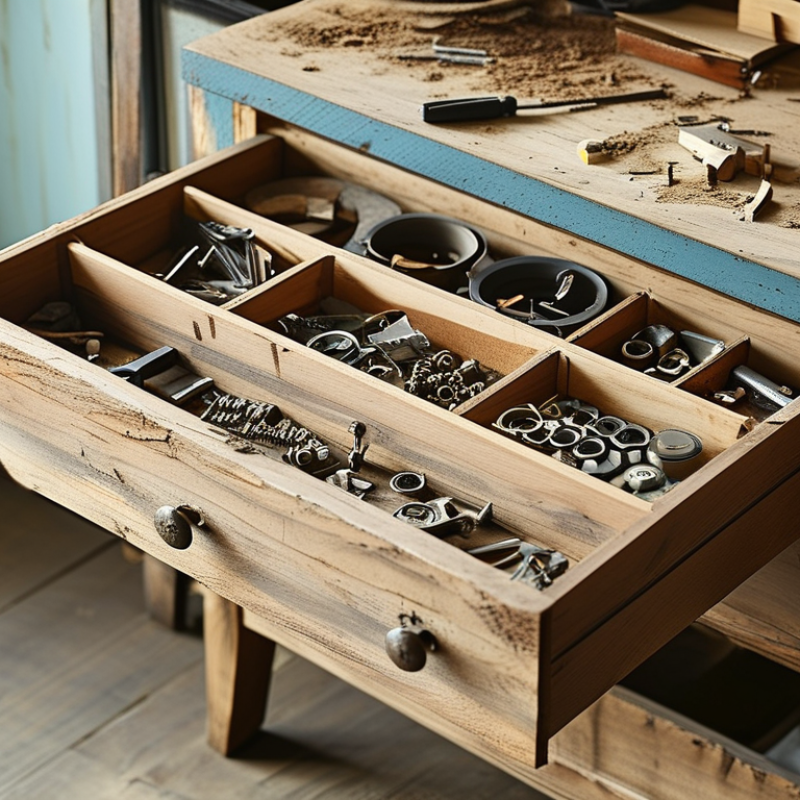
Drawer hardware systems can fail due to various reasons. One common cause is worn-out tracks. Frequent use causes friction, leading to wear. If tracks aren't regularly maintained or lubricated, they can become faulty. Another issue arises from improper installation. Misalignment can prevent drawers from sliding smoothly. Pay attention to installation guidelines for the best results.
Tips: Regular maintenance is key. Check the tracks periodically for debris. Clean them to enhance performance. Consider using a silicone-based lubricant to reduce friction. It can prolong the lifespan of your hardware.
Weight distribution plays an essential role in drawer functionality. Overloading a drawer can cause hardware to bend or break. Even well-made systems can succumb to excessive weight. It's crucial to distribute items evenly for optimal performance. Be mindful of weight limits.
Tips: Always check the weight capacity of your drawer system. Use organizers to keep items in place. This simple step can prevent potential failures, saving you time and money in repairs. Regularly assess your storage solutions and make adjustments as necessary.
Material quality plays a crucial role in the longevity of drawer hardware systems. Studies show that over 70% of hardware failures stem from subpar materials. Cheap metals often corrode and weaken over time. This can lead to jams, misalignment, or complete hardware failure. Understanding this can help in making informed decisions during installation.
Different materials have varying impacts on durability. For instance, stainless steel is known for its strength and resistance to rust. However, some hardware systems use inferior alloys to cut costs. These materials may look appealing initially, but their performance often degrades quickly. A report indicated that poorly manufactured hardware increases maintenance costs by nearly 50% in commercial settings.
Regular inspection and maintenance can help identify issues early. Yet, many users overlook this step. A simple visual check can reveal signs of wear or corrosion. Addressing these issues promptly can extend the life of drawer systems. In the end, investing in quality materials is vital. It can save time, money, and frustration in the long run.
Proper installation techniques are crucial in ensuring the longevity of drawer hardware systems. One common mistake is misaligning the drawer slides. This misalignment can cause excess friction and premature wear. For instance, when a slide is not leveled correctly, it can lead to difficulty in opening and closing. Always check the alignment before securing the slides. A simple adjustment can save time and prevent future issues.
Another aspect to consider is the choice of installation screws. Using screws that are too short or too weak can lead to hardware failure. Drawers carry weight, and inadequate screws may not hold up. Selecting appropriate screws tailored to the weight capacity can enhance durability. Additionally, it is important to ensure screws are firmly tightened but avoid over-tightening. Over-tightened screws can strip the holes and cause instability.
Regular maintenance also plays a role. Periodically checking the hardware can catch problems early. Loose screws or worn-out components should be addressed immediately. Following manufacturer guidelines for installation can make a significant difference. Learning from mistakes or failures during installation can lead to better practices in the future. Proper installation is not just about following steps; it requires attention to detail and a willingness to improve.
When examining the failure rates of drawer hardware systems over time, the statistics can be alarming. Studies reveal that nearly 30% of drawer systems may fail within the first five years of installation. Common issues often stem from wear and tear, poor installation, or inadequate materials. These factors contribute largely to malfunction, leading to frustration and additional costs.
User experience data shows that improper alignment and excessive weight can accelerate failure rates. Many users unknowingly overload their drawers, causing hinges and slides to wear down faster. Regular maintenance can mitigate this. Simple checks for alignment and lubrication can prolong the life of your hardware. However, often, these preventive measures are overlooked.
The reliability of drawer hardware is ultimately a reflection of the choices made during selection and installation. An informed decision can significantly reduce failure rates. Regular assessments of your drawer systems encourage proactive care, allowing users to catch issues before they escalate. It's a continuous process of evaluation and adaptation.
Drawer hardware systems are essential for functionality and convenience. However, their longevity often depends on proper care and maintenance. Regular cleaning can prevent dust and debris from accumulating, which can hinder the opening and closing mechanisms. According to a report from the American Society of Interior Designers, regular maintenance can extend the lifespan of drawer components by up to 30%.
Lubrication is another key factor. Applying a suitable lubricant can significantly reduce friction between moving parts. Regular checks for wear and tear should not be overlooked. Inspecting screws and hinges for signs of rust or loosening can prevent future failures. Studies indicate that neglected hardware can fail up to 50% sooner than well-maintained systems.
While many overlook the alignment of drawer fronts, this can lead to uneven wear. Misalignment often results from improper installation or heavy use. It can lead to strain on the hardware, causing it to wear out faster. Taking a moment to ensure the drawers are level can save costs and headaches in the long run. Proper implementation of these practices creates a more reliable and durable drawer system, enhancing user satisfaction.
: Nearly 30% of drawer systems may fail within five years of installation.
Common issues include wear and tear, poor installation, and inadequate materials.
Overloading drawers and improper alignment can accelerate wear and lead to failures.
Regular cleaning, lubrication, and alignment checks are essential for prolonged use.
Regular maintenance can extend the lifespan by approximately 30%.
Neglected hardware can fail up to 50% sooner than systems that are well-maintained.
Misalignment can cause uneven wear, leading to faster deterioration of the hardware.
Inspect screws, hinges for rust, wear, and ensure alignment are all important checks.
An informed selection and correct installation significantly reduce the risk of failures.
Yes, it encourages proactive care and can catch issues before they escalate.
The article titled "What Causes Drawer Hardware Systems to Fail and How to Avoid It" explores several critical factors contributing to the failure of drawer hardware systems. It highlights common causes of failures, such as weak materials and improper installation techniques, which significantly impact the longevity and functionality of these systems. Understanding the material quality is crucial, as inferior components can lead to quicker wear and malfunction.
Moreover, the article presents statistical insights detailing the failure rates of drawer hardware over time, emphasizing that regular maintenance is essential for prolonging lifespan and preventing issues. By adopting best practices for installation and maintenance, users can minimize what causes drawer hardware systems to fail, ensuring a reliable and durable performance for their furniture.

Refa Tools