Cabinet hardware accessories are essential for any kitchen or cabinetry design. However, many homeowners grapple with an unsettling issue: why do cabinet hardware accessories rust or corrode? Understanding this phenomenon requires a closer look at the materials used and the environment in which these accessories reside.
Moisture and humidity play critical roles in the corrosion process. When exposed to water, certain metals can interact chemically, leading to rust. This is particularly problematic in kitchens or bathrooms, where moisture is often present. Low-quality materials may also accelerate this deterioration. Brands that cut corners might use subpar finishes that can't withstand everyday wear.
A lack of regular maintenance compounds these issues. Over time, grime and moisture accumulate, creating a perfect condition for rust. While minor corrosion might not seem severe at first, it can compromise the integrity of your cabinets. It’s crucial to reflect on maintenance routines and the quality of chosen materials for lasting durability.
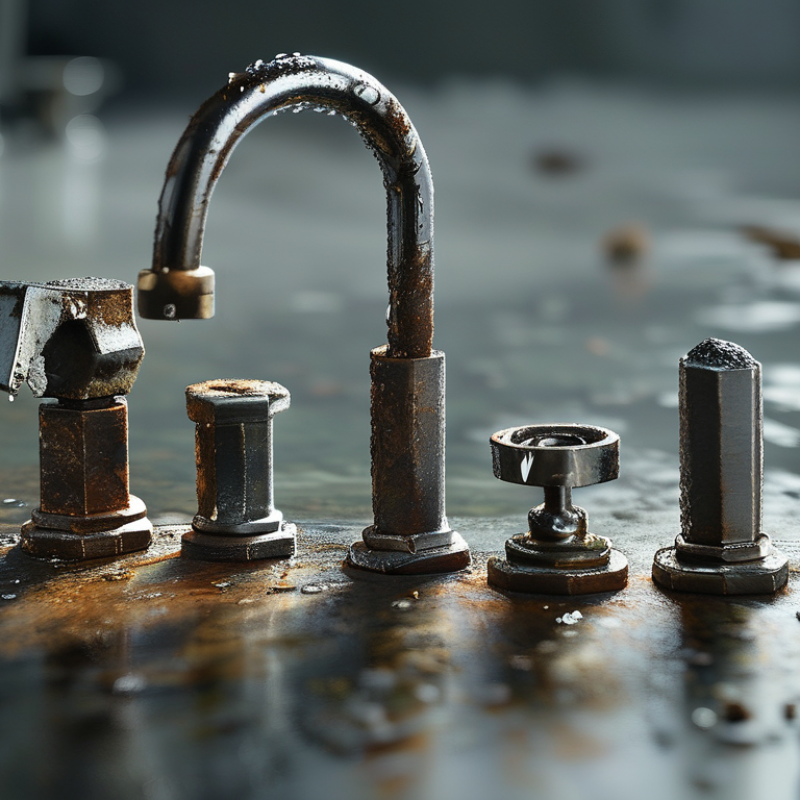
Cabinet hardware accessories, such as knobs and handles, are often exposed to moisture and air. These elements are significant contributors to rust and corrosion. When metal components are not properly coated or protected, they become vulnerable. Oxidation occurs when the metal reacts with moisture. This chemical process weakens the metal structure over time.
In addition to moisture, kitchen environments can increase corrosion risk. Humidity from cooking or spills may accumulate on hardware. Even oils and food residues can lead to deterioration. It's essential to clean hardware regularly. Neglecting this can create perfect conditions for rust to develop.
The choice of material also plays a crucial role. Some metals, like stainless steel, are more resistant to corrosion. However, no material is entirely immune. Even the best materials can show signs of wear without proper care. Regular inspections can help identify early signs of corrosion. Small blemishes can indicate a larger problem. Addressing these issues early can prolong the life of your cabinet hardware.
Cabinet hardware accessories can rust or corrode due to their material composition. Different metals react uniquely to environmental conditions. For example, steel is prone to rust without protective coatings. On the other hand, stainless steel is designed to resist corrosion but can still deteriorate in certain conditions.
The role of material quality is crucial. Materials with a high nickel and chromium content tend to resist rusting better. However, cheaper alloys may not offer the same protection. Exposure to moisture, heat, and various chemicals can accelerate corrosion. Even small, unnoticed scratches can expose the metal beneath, leading to rust.
Consider your environment when choosing cabinet hardware. A humid kitchen can be more challenging for less resilient materials. Regular maintenance can also hinder corrosion. Wiping down surfaces often and avoiding harsh cleaners are essential. Making informed choices about materials ensures lasting durability.
Cabinet hardware accessories often face deterioration due to environmental factors. Humidity is a primary culprit. High moisture levels in the air can lead to rust and corrosion, especially in unprotected metal components. According to a study by the American Society for Testing and Materials, environments with over 70% relative humidity significantly increase the likelihood of such damage.
Temperature fluctuations also play a key role. When materials expand and contract, it creates stress on the surfaces. This can compromise protective coatings, exposing metal to moisture. Research suggests that consistent temperature changes can reduce the lifespan of cabinet hardware by up to 30%. Locations near water sources or coastal areas may face even higher risks.
Additionally, chemical exposure should not be overlooked. Cleaning agents and kitchen vapors contain substances that can corrode hardware. A report by the National Association of Home Builders found that certain household cleaners can adversely affect metal finishes. Homeowners should consider these factors when selecting cabinet hardware and be vigilant about maintenance. Ignoring these elements may result in costly replacements sooner than expected.
Cabinet hardware accessories are prone to rust and corrosion due to environmental factors. Moisture is a significant contributor. According to a report by the American Society for Testing and Materials, hardware exposed to high humidity levels is at a greater risk. Regular maintenance can mitigate these risks significantly.
Cleaning is crucial for prevention. Use a dry cloth to wipe down hardware regularly. This removes moisture and dirt that can cause wear. Apply a protective wax or sealant designed for metal surfaces. This layer helps guard against moisture exposure. A study from the National Association of Home Builders showed that homes with regular maintenance have up to 30% longer-lasting hardware installations.
Consider the environment where your hardware is installed. Kitchens and bathrooms are notorious for humidity and spills. Check for signs of corrosion often. Early detection allows for timely intervention, potentially saving you from more significant replacement costs. Understanding these factors can lead to better care and durability of your cabinet hardware. Regular inspections and routine cleaning can go a long way in extending the life of your accessories.
When it comes to cabinet hardware finishes, durability is a key concern. Different materials exhibit varying resistance to rust and corrosion. For instance, stainless steel is often favored for its strength and longevity. However, it is not impervious to wear, especially in humid environments. Over time, even high-quality finishes can begin to show signs of deterioration.
Statistics reveal that finishes like chrome and nickel plating can last from 10 to 30 years, depending on usage and environmental factors. In contrast, lower-quality finishes may only endure for a few years before tarnishing. It's crucial to choose the right finish based on where the hardware will be placed. Factors like exposure to moisture can dramatically shorten the lifespan of metal accessories.
Corrosion often occurs due to a lack of proper maintenance. Regular cleaning can prevent build-up of moisture and dirt. Even premium finishes require occasional attention. Ignoring this can lead to premature wear. It's a reflection of how little oversight can cause significant issues over time. Selecting the appropriate hardware finish and caring for it diligently can save money and frustration in the long run.
: Rust and corrosion occur due to moisture and air exposure. Without proper protection, metal parts are at risk.
Humidity from cooking increases corrosion risk. Spills and food residues can speed up the deterioration process.
Regular cleaning prevents rust development. Neglecting this creates perfect conditions for oxidation to occur.
Different metals react differently to environments. Stainless steel resists corrosion better, but is not immune.
Unnoticed scratches can expose metal beneath, leading to rust. They create entry points for moisture and contaminants.
Exposure to heat, moisture, and chemicals can speed up corrosion. Poor material quality also plays a significant role.
Look for small blemishes or discoloration. These can indicate underlying corrosion issues that need attention.
Regularly wipe down surfaces and use gentle cleaners. Avoid harsh chemicals that can harm the metal finish.
Yes, high-quality materials resist rust better. Cheaper alloys may not offer adequate protection against corrosion.
No material is entirely immune to rust. Regular care and inspections are necessary to mitigate corrosion effects.
Cabinet hardware accessories are prone to rust and corrosion due to various factors, prompting the question: why do cabinet hardware accessories rust or corrode? The primary causes stem from the material composition of these accessories, as some metals are more susceptible to degradation when exposed to moisture and air. Additionally, environmental factors such as humidity, temperature fluctuations, and exposure to cleaning chemicals can exacerbate this deterioration.
To combat rust and corrosion, regular maintenance is essential. This includes cleaning with appropriate products and applying protective coatings. Understanding the statistics on the lifetime and durability of different hardware finishes can also help consumers make informed choices, ultimately prolonging the life of their cabinet accessories and maintaining their appearance over time.

Refa Tools